

Client Question: Index Funds
January 21, 2026
There are certain terms we all hear in the financial press each day that we may not fully understand. A client was wise enough to ask for clarification on one such term – index funds. Let’s take a look (one word at a time)
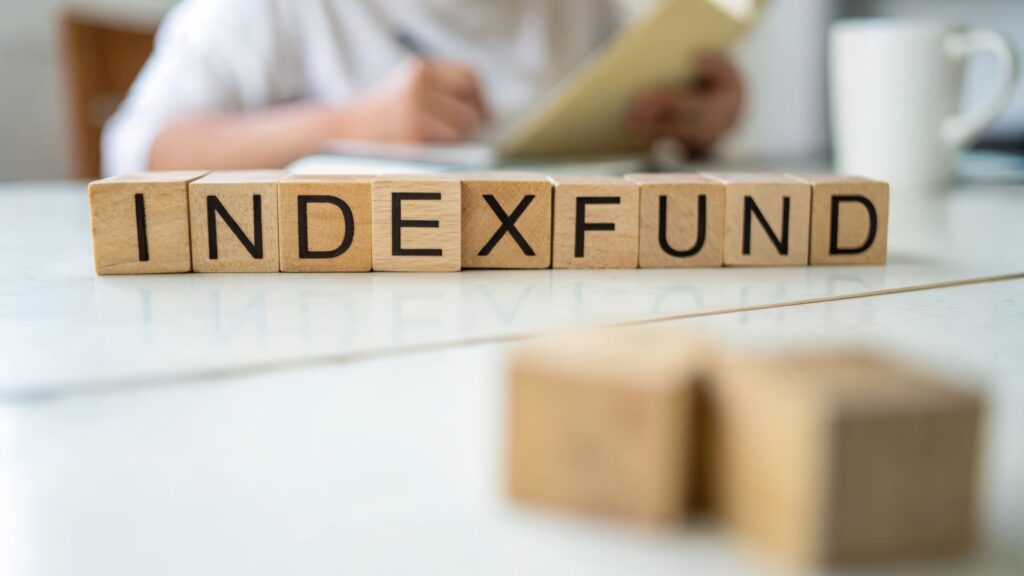
What is an index?
An index is a collection of specific securities/investments that represent/measure a certain market segment, sector, or strategy. The index provides a scorecard/benchmark of how a certain part of the market are doing.
We’ve written about various US equity market indexes in the past (S&P 500, NASDAQ, Dow 30) but there are countless others indexes, all designed to encapsulate various parts of the market. Other examples include indexes that capture bond market performance, developed international markets, emerging markets, and various US market sectors (technology, energy, etc)
An index can be used for performance evaluation (how is my portfolio doing versus the S&P 500?) but they can also be used as the basis for investments themselves.
What is an index fund?
An index fund is a security (typically in an Exchange Traded Fund or Mutual Fund wrapper) that allows investors to invest in/own an index without having to buy each security in the index.
Take the S&P 500 as an example. The S&P 500 is an index comprised of the 500 largest US companies as measured by market cap. Without an index fund offering, an investor wanting to gain broad-based exposure to the US equity market in line with that of the S&P 500 would need to invest in 500 equity securities (and then determine the proper weightings – either market cap weighted or equal weighted). But either way, they would need to hold 500 securities.
An S&P index fund solves that problem, allowing investors to buy a single security that tracks the index for them.
Same goes for any other broad index you wish to own based on your goals. Index funds allow you to buy a single security to gain access to that index instead of having to buy the underlying components, making them a very efficient and effective tool for investors.
Is an Index Fund right for you?
As with most investing questions, the answer is “it depends.” Index funds are one of many tools that can be used to construct an investment portfolio to meet your needs and long-term investment objectives. Work closely with your advisor (or evaluate your own financial plan if self-managing) before investing.

Leave a note